A complete guide to simple past tense: Rules and usage
Mastering the simple past tense is the fastest way to improve your English storytelling. Whether…
Verbs: The powerhouse of the English language
Every complete sentence in English requires a verb. These essential words do more than just describe actions like run or speak; they also define states of being, express time through tenses, and show possibility through moods.
Mastery of verbs is what allows you to move from simple sentences to complex storytelling. Whether you are struggling with irregular verb forms, trying to choose the right tense for a story, or learning how to use modal verbs like could or should, our resources provide clear explanations and practical examples.
Explore our guides to understand:
Verb tenses: From the simple present to the future perfect.
Irregular verbs: Mastering the forms that don’t follow the rules.
Auxiliary and modal verbs: Using “helping” verbs to add meaning.
Stative vs. dynamic verbs: Knowing which verbs cannot be used in the -ing form.
Browse the articles below to build a strong foundation for your English communication.
Mastering the simple past tense is the fastest way to improve your English storytelling. Whether…
Mixed verbs in English grammar are verbs that change meaning depending on whether you use…
Linking verbs act as a bridge in a sentence. Instead of showing what a subject…
Verbs are sort of like the engine of every English sentence, but they don’t all…
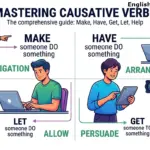
Causative verbs are a fundamental part of English grammar that allow you to describe situations…
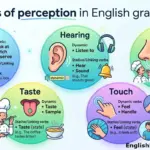
Verbs of perception (also known as sense verbs) are essential tools in English that describe…

Using strong action verbs on your resume is the fastest way to transform a boring…

“He yawned after a long hike.” Understanding the difference between action verbs and stative verbs…

“Vistors must check-in at the office.” If you’ve ever wondered why someone says they ‘have…
While lounging on a beach, you might say, “We sunbathe a lot.” Without realizing it,…


